Blog
How Nutrition Affects Your Oral Health: A Guide for Coastal Cosmetic Family Dentistry Patients
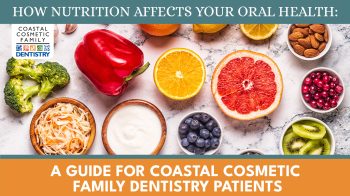 At Coastal Cosmetic Family Dentistry in Brunswick County, we often remind our patients that what you eat is just as important as how well you brush and floss. The foods you choose can either support your teeth and gums, or quietly work against them. Understanding how nutrition affects your oral health helps you make choices that may reduce your risk of decay, inflammation, and other oral health concerns while supporting your overall well-being.
“Your mouth is the gateway to your body, and everything you eat passes through it first,” says Dr. Aaron Wilharm, DMD, owner of Coastal Cosmetic Family Dentistry. “Good nutrition doesn’t just fuel your body; it also supports stronger enamel, healthier gums, and better long-term wellness.”
The Connection Between Diet and Dental Health
A balanced diet provides your body with the nutrients it needs to maintain healthy tissues, including the teeth and gums. When your nutrition falls short, your oral health often shows it first. The most common culprits are sugars and acids, which can weaken enamel, feed bacteria, and promote inflammation in the soft tissues.
Sugars, Acids, and Their Effects
Bacteria in the mouth thrive on sugars and starches. When these bacteria feed, they release acid as a byproduct, which gradually wears away the enamel that protects your teeth. Even seemingly harmless foods like crackers or dried fruit can fuel this cycle if consumed frequently.
Highly acidic foods and drinks such as citrus juices, sports drinks, and sodas can result in further enamel erosion. Once that protective layer is damaged or compromised, teeth may become more sensitive and vulnerable to decay. But don’t worry: the goal isn’t to eliminate these foods entirely, but to enjoy them in moderation and pair them with neutralizing foods like cheese, yogurt, or vegetables to help restore balance in your mouth.
Essential Vitamins for Healthy Gums and Teeth
Certain vitamins and minerals play vital roles in maintaining a strong, resilient smile. These nutrients help support tissue repair, bone health, and immune defenses that protect against gum disease and infection.
Here are a few of the most important:
- Calcium and phosphorus: Help remineralize enamel and strengthen tooth structure.
- Vitamin C: Supports collagen production for healthy gums and helps reduce inflammation.
- Vitamin D: Aids calcium absorption and supports bone density around the teeth.
- B vitamins: May reduce the risk of mouth sores and promote healthy mucosal tissue.
- Magnesium and zinc: Support bone formation and immune function.
A diet rich in dairy, leafy greens, healthy proteins, and colorful produce helps provide these nutrients naturally, though supplements may be appropriate in some cases under your provider’s guidance.
Foods That Strengthen Your Smile
Eating for oral health doesn’t have to be complicated. The key is balance, frequency, and choosing foods that naturally help protect your teeth and gums.
Smile-Friendly Snacks
Smart snacking can make a significant difference between maintaining and undermining your oral health. Some snacks help stimulate saliva flow, which helps to neutralize acids and wash away food particles.
Consider keeping these on hand:
- Crunchy fruits and vegetables like apples, carrots, and celery
- Nuts and seeds for minerals and healthy fats
- Cheese or plain yogurt (without sugar) for calcium and casein, which support strong enamel
- Whole grains and lean proteins for long-lasting energy and essential nutrients
Try to avoid sticky or sugary snacks that cling to the teeth, such as gummies or caramel, as they tend to linger and feed decay-causing bacteria.
Should You Brush Right After Snacking?
When you do indulge in sweet, sticky foods, it’s important to brush afterward, but not immediately. Enamel softened by sugars or acids is vulnerable to damage during brushing. So after eating sweets, rinse with water and wait 30 minutes before brushing.
Drinks to Choose (and Avoid)
What you drink throughout the day matters as much as what you eat. Water is always the best choice, as it helps rinse the mouth, hydrate tissues, and balance pH levels.
Other tooth-friendly beverage options include:
- Plain or sparkling water (without added sugar)
- Milk or fortified plant-based alternatives
- Unsweetened green or herbal tea, which may offer antioxidant benefits
Try to limit:
- Sugary sodas and energy drinks
- Sweetened coffee beverages
- Citrus juices or sports drinks with added acids
If you do enjoy these occasionally, drinking them with meals or through a straw may help reduce prolonged contact with your teeth.
Whole-Body Health Can Begin With Oral Health
At Coastal Cosmetic Family Dentistry, we take a whole-body approach to care because your mouth and body are deeply connected. The nutrients you consume, the inflammation in your gums, and even your microbiome can all influence your systemic health.
How Inflammation and Diet Interact
Chronic inflammation in the mouth, such as that caused by untreated gum disease, can increase the body’s overall inflammatory burden. Processed foods high in refined sugar and saturated fats may contribute to this problem by fueling systemic inflammation.
On the other hand, nutrient-dense, anti-inflammatory foods like leafy greens, berries, fish rich in omega-3s, and whole grains may help support both oral and cardiovascular health. Reducing sugar intake, staying hydrated, and consuming antioxidants all play a role in protecting your teeth and gums from damage.
Our Whole-Body Dental Philosophy
Our philosophy is grounded in the belief that oral health is an essential part of overall wellness. We use advanced diagnostic tools and patient education to help you make informed decisions about your care. Whether it’s using biocompatible materials, providing nutrition advice, or managing gum health, we focus on helping you achieve balance because a healthy smile supports a healthy body.
Smart Eating Tips From Your Coastal Dental Team
Healthy eating doesn’t have to mean perfection. It’s about small, sustainable choices that may help keep your teeth and gums strong. Our dental team often recommends:
- Eating balanced meals with lean protein, produce, and whole grains
- Limiting snacks between meals to reduce acid exposure
- Drinking water after each meal to rinse away debris
- Chewing sugar-free gum to stimulate saliva and freshen breath
- Scheduling regular dental visits to monitor your oral health
Even minor improvements in diet can lead to noticeable changes in how your mouth feels and functions. If you’d like to learn how your food choices may be influencing your oral health, our team is always happy to talk through practical ways to align your nutrition with your dental care goals.
Book a Nutritional Consultation With Your Next Dental Visit
If you’re ready to take a more proactive approach to your oral and overall health, schedule your next visit at Coastal Cosmetic Family Dentistry. During your appointment, we can review your diet, discuss your unique health goals, and identify nutritional strategies that may help protect your smile for years to come.
Good nutrition doesn’t just feed your body. It can help nurture your confidence, comfort, and long-term wellness. Together, we can help you build habits that support a lifetime of healthy smiles.
Disclaimer: The content of this blog is not intended to be a substitute for professional medical advice, diagnosis, or treatment. Always seek the advice of qualified health providers with questions you may have regarding medical conditions. Your results may vary.